
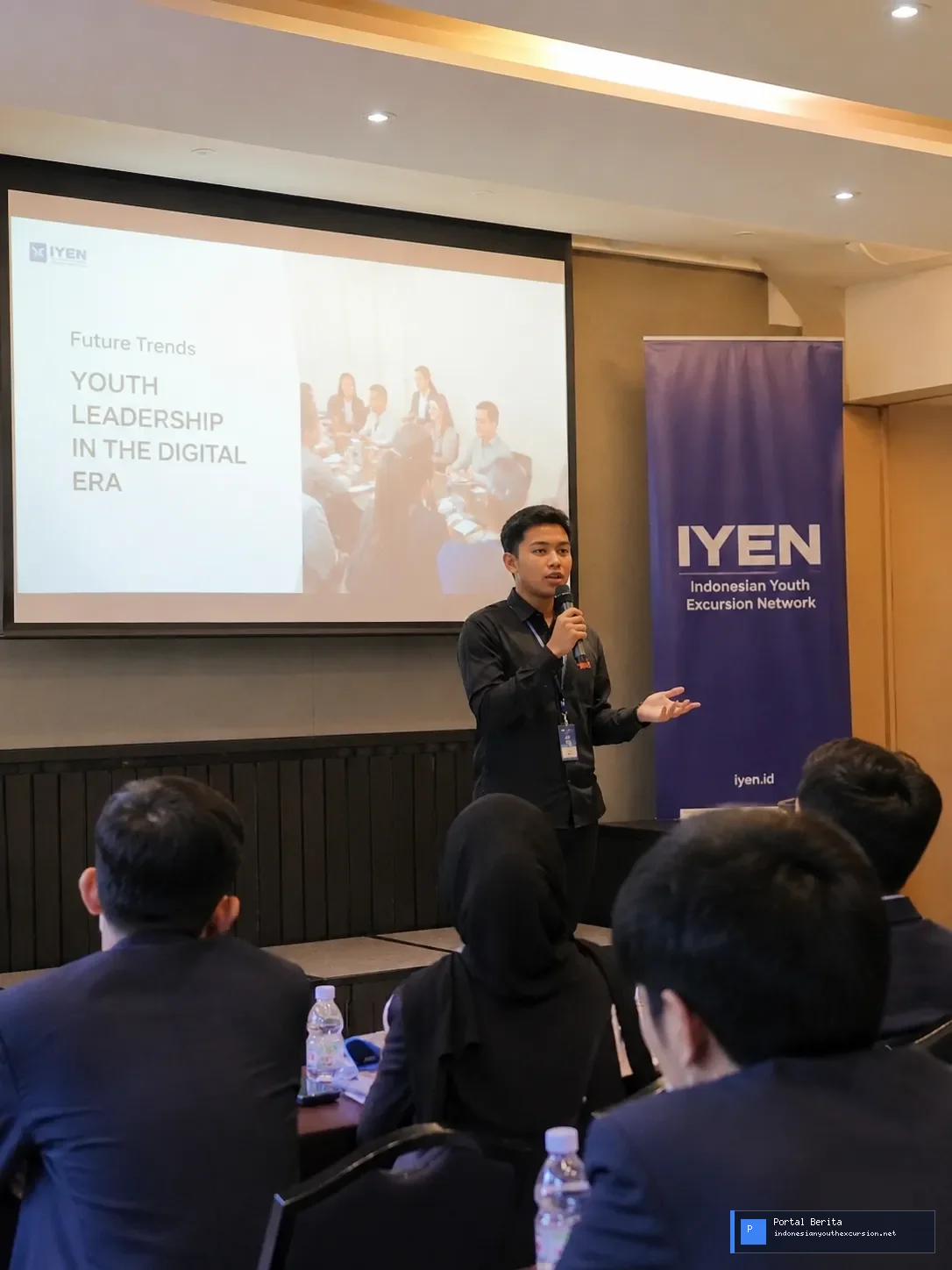
IYEN Insight – Public speaking is no longer a skill reserved for professional speakers or public figures. In today's academic and professional landscape, the ability to communicate ideas clearly and confidently has become an essential competency for university students.
Whether presenting a research project, participating in classroom discussions, leading an organization, attending interviews, or representing an institution at international events, effective public speaking enables students to express their ideas with confidence and influence.
For this reason, developing public speaking skills should be viewed as a long-term investment in both personal and professional growth.
1. Build Self-Confidence
One of the greatest benefits of public speaking is increased self-confidence. Standing before an audience and delivering ideas helps students overcome fear, strengthen their self-belief, and become more comfortable communicating in various situations.
Confidence developed through public speaking often extends beyond the stage and positively influences academic performance, networking, and career opportunities.
2. Improve Communication Skills
Public speaking is more than simply speaking in front of an audience. It involves organizing thoughts, delivering clear messages, using persuasive language, and engaging listeners effectively.
Students who communicate well are better equipped to collaborate in teams, lead discussions, and present innovative ideas.
3. Develop Leadership Qualities
Strong leaders are effective communicators. The ability to inspire, motivate, and influence others depends largely on how well ideas are communicated.
By practicing public speaking, students develop leadership qualities that prepare them to take on greater responsibilities within organizations, communities, and future workplaces.
4. Enhance Academic Performance
Many university activities require presentations, seminars, thesis defenses, and group discussions. Students with strong public speaking skills are often able to present their knowledge more effectively, answer questions with confidence, and perform better in academic settings.
Communication skills complement academic excellence and help students maximize their potential.
5. Expand Career Opportunities
Employers increasingly value graduates who can communicate professionally with clients, colleagues, and stakeholders.
Public speaking skills become a competitive advantage during internship interviews, scholarship selections, recruitment processes, and future career advancement. Professionals who communicate confidently are often considered more prepared for leadership roles.
6. Strengthen Networking Abilities
Effective communication makes it easier to build meaningful relationships with lecturers, professionals, mentors, and peers from different backgrounds.
Whether attending conferences, youth forums, or international exchange programs, students who communicate confidently are more likely to create valuable connections that support their future careers.
7. Prepare for Global Opportunities
International programs such as youth exchanges, leadership conferences, company visits, and cultural exchange initiatives require participants to communicate across cultures and collaborate with people from diverse backgrounds.
Public speaking equips students with the confidence to represent themselves, their institutions, and their country while engaging in meaningful global conversations.
Public speaking is not about speaking perfectly.
It is about communicating ideas with clarity, confidence, and authenticity.
Every accomplished speaker once began as a beginner. The difference lies in their willingness to practice, learn from mistakes, and continuously improve.
For university students, investing in public speaking is investing in future opportunities. It is a skill that opens doors to leadership, academic excellence, professional success, and international experiences.
The best time to start building your voice is today—because every great leader is first known by the courage to speak.
💬 Visitor Comments (0)
Leave a Comment
No comments yet. Be the first to comment!